A lot of small business owners ask the same question after getting pitched by agencies, freelancers, and software tools promising page-one rankings: is SEO worth it for small business?
The honest answer is yes, often very much so, but not in every case and not in the way many owners expect. SEO is rarely a quick fix. It is a visibility system that helps your business show up when people are already searching for what you do. If your customers use Google Search or Google Maps to find local services, compare providers, read reviews, or get directions, SEO can become one of the most dependable lead channels in your business.
What makes the question tricky is that SEO value depends on your market, your margins, your competition, and your patience. A roofing company, dental office, med spa, HVAC contractor, and multi-location law firm can all benefit from SEO, but the timeline, cost, and payoff will look different for each.
When is SEO worth it for small business?
SEO is worth it when search visibility can produce measurable business outcomes. That usually means calls, quote requests, appointment bookings, contact form submissions, or walk-in traffic. If one new customer is worth a few hundred dollars or more, even a modest increase in qualified leads can justify the investment.
This is especially true for local businesses. When someone searches for “plumber near me,” “best pizza in [city],” or “emergency electrician,” they are not browsing out of curiosity. They usually need help soon. Showing up in those moments matters because high-intent searches often convert better than traffic from social media or display ads.
SEO also becomes more valuable the longer you stick with it. Paid ads stop the second you stop paying. Organic visibility can keep working after the initial work is done, especially when your website is strong, your Google Business Profile is optimized, and your local presence is consistent across directories and location pages.
That said, SEO is not worth it if your business has no real search demand, if your service area is too narrow to support meaningful volume, or if your sales process is broken. Ranking better will not fix poor follow-up, weak offers, or a website that turns visitors away.
What small businesses are most likely to see ROI?
Local SEO tends to produce the best returns for businesses that solve immediate problems or provide services people actively shop for. Think home services, medical practices, legal services, salons, auto repair, pet care, moving companies, restoration, cleaning, and specialty contractors.
Brick-and-mortar businesses can benefit because Maps visibility drives phone calls, direction requests, and foot traffic. Service-area businesses benefit because geographic pages and a well-optimized Google Business Profile can help them compete town by town instead of trying to rank everywhere at once.
Multi-location businesses often see even more upside because each location creates another opportunity to rank in local search results. But they also need more structure. If your profiles, citations, and location pages are inconsistent, you can end up invisible in places where you should be dominating.
Why SEO feels expensive before it feels profitable
This is where many small business owners get frustrated. SEO usually requires upfront work before it produces steady results. You may need website fixes, better page content, stronger local pages, review generation, citation cleanup, reporting setup, and Google Business Profile improvements before rankings move in a meaningful way.
That does not mean the investment is wasted. It means you are building assets. A faster site, clearer service pages, cleaner business data, and stronger local relevance help Google trust your business and help customers convert once they find you.
The problem is that some providers sell SEO like a switch you flip. It is closer to a compounding process. Early gains may be small. Then rankings improve in more places, map visibility increases, and traffic starts turning into leads more consistently. That is when SEO starts feeling less like a cost and more like infrastructure.
The biggest factors that affect whether SEO is worth it
Competition matters a lot. If you are a personal injury attorney in a major metro, SEO is still worth considering, but it will be harder and more expensive than ranking a local landscaping company in a smaller market. Search demand matters too. A niche service in a rural area may have less competition, but also fewer searches.
Your website quality matters because visibility without conversion is wasted traffic. If your site is slow, unclear, outdated, or missing strong service and location pages, SEO performance will suffer. Your Google Business Profile also plays a major role in local results. An incomplete or unmanaged profile can hold back calls and map rankings even if your website is decent.
Then there is timeline. If you need leads this week, SEO should not be your only marketing channel. It works best when treated as a medium- to long-term growth strategy. Many small businesses pair SEO with paid ads early on, then rely more on organic visibility as rankings improve.
Is SEO worth it for small business compared with ads?
This is the wrong comparison if it is framed as either-or. SEO and ads do different jobs.
Paid search is useful when you need immediate visibility, want to test offers, or need to target high-value terms right away. But every click has a price, and costs often rise over time. SEO takes longer, but the traffic does not disappear the moment your monthly ad budget changes.
For many small businesses, the smartest move is to use ads for short-term lead flow and SEO for long-term efficiency. Over time, strong organic rankings can reduce your dependence on paid traffic, lower your blended cost per lead, and make your marketing less fragile.
If budget forces a choice, the better option depends on urgency and market conditions. If you need leads now, ads may win first. If you want a durable presence in search and maps that keeps producing without paying for every click, SEO often becomes the better investment.
Signs your business is ready for SEO
You are probably ready if customers already search for your services online, you can clearly define your service areas, and you know roughly what a new lead or customer is worth. You are also in a good position if you have at least a basic website, can respond to leads quickly, and want a channel that can grow over time rather than spike and disappear.
It also helps if you are willing to measure the right things. SEO should not be judged by rankings alone. The real test is whether visibility turns into calls, form submissions, booked jobs, and revenue. A transparency-first agency should be able to show you what is improving and how that connects to lead generation.
Signs SEO may not be the best next step
If your business is brand new and you have no website foundation, no reviews, and no ability to handle lead volume, SEO may not be the first thing to fix. If your offer is unclear or your close rate is weak, more traffic may only expose those issues.
SEO is also a poor fit if you expect instant results or if you are comparing it to a one-time project. Real SEO is ongoing. Search results change, competitors improve, and local profiles need maintenance. A set-it-and-forget-it approach usually leads to flat performance.
Another red flag is working with anyone who promises guaranteed rankings, hides their work, or pushes long contracts before proving value. Small business owners need clarity on what is being done, why it matters, and how success is being measured.
What good SEO should actually include
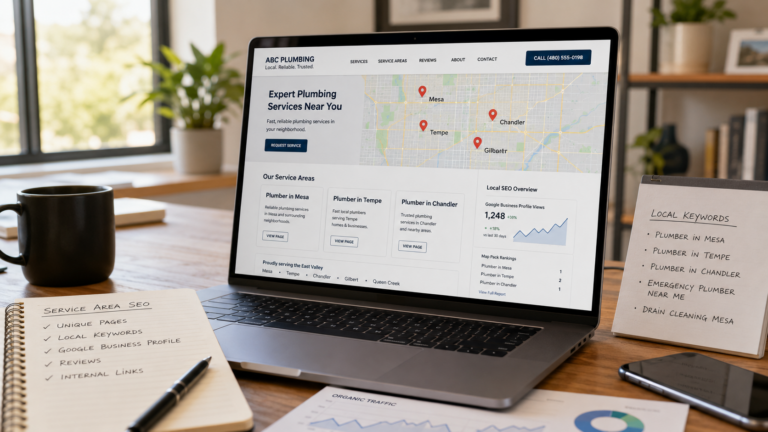
For local businesses, effective SEO usually starts with the basics done well. That means technical website cleanup, strong service pages, location or service-area pages where appropriate, Google Business Profile optimization, citation consistency, review support, analytics setup, and reporting that focuses on leads instead of vanity metrics.
It should also fit your business model. A plumber serving six towns needs a different strategy than a restaurant with one storefront or a company managing ten locations. The best SEO work is not generic. It is shaped around how customers search, where you operate, and what actions actually produce revenue.
That is one reason many small business owners prefer agencies that keep things flexible, explain the work clearly, and collaborate with an existing web developer rather than forcing a full rebuild. Nautical Agency, for example, centers local SEO around practical deliverables tied to calls, clicks, direction requests, and leads instead of abstract traffic goals.
The real answer: yes, if the math works and the strategy is right
If one new customer is valuable, your market has search demand, and your business depends on local visibility, SEO is often worth it for small business. Not because it is trendy, but because it helps you get found by people already looking for what you sell.
The businesses that get the most from SEO are usually the ones that treat it like a growth channel, not a magic trick. They measure outcomes, stay consistent, and focus on showing up where buyers make decisions – in Google Search, Google Maps, and the pages that earn trust once the click happens.
A good way to think about SEO is simple: if your competitors are visible when customers search and you are not, you are already paying for that gap. The only question is whether you want to keep losing those leads quietly or build a search presence that keeps working month after month.